
Why hygiene improves the acceptance of the inhalation mask in horses

Cleanliness is the key to successful inhalation
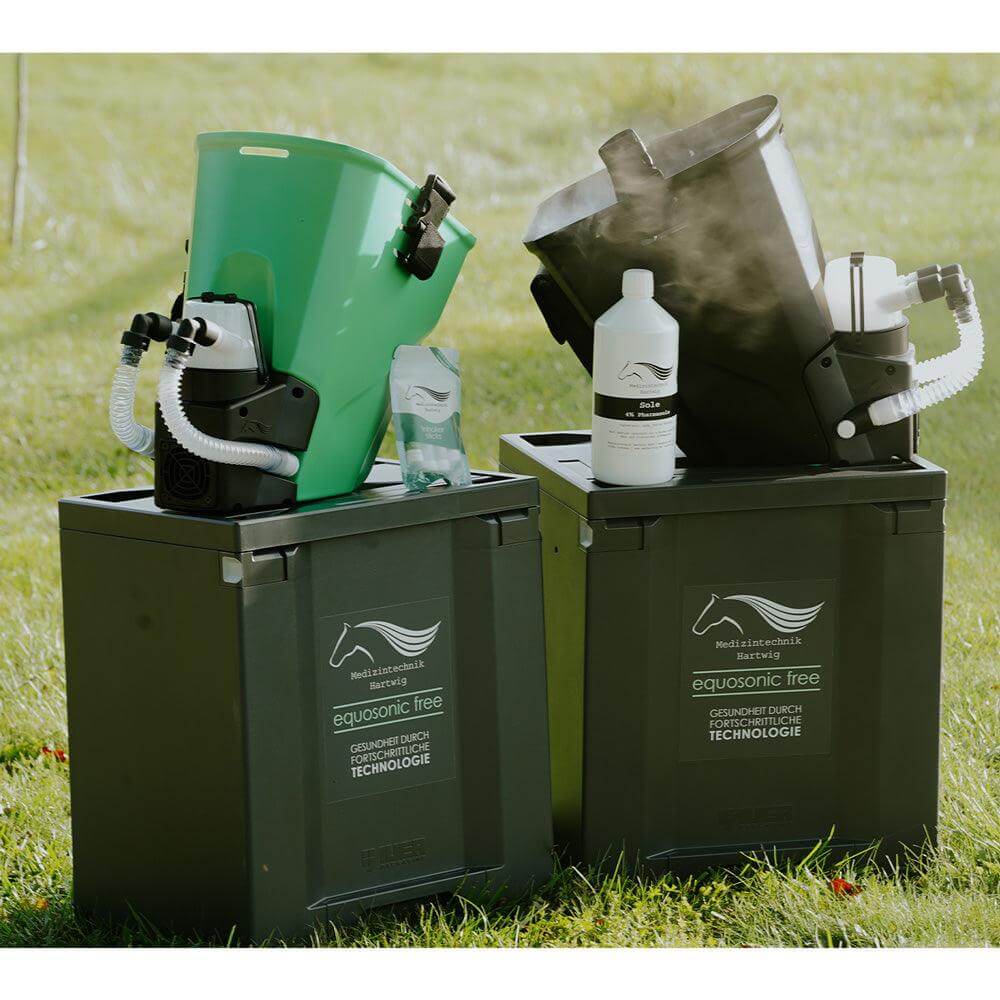
A modern horse inhaler is an important aid today when it comes to treating or preventing respiratory diseases in the horse. However, many owners quickly notice: not every horse accepts the mask immediately. A decisive factor here is the hygiene of the inhaler. A regularly cleaned and disinfected inhalation mask feels comfortable, is free of residues, and is much more readily accepted by the animal.
Why horses react to hygiene
Horses have a very sensitive sense of smell and notice even the slightest changes. Even slight residues from saliva or medication can make a mask feel unusual to the animal. A hygienically clean and neutral-acting inhalation mask, on the other hand, increases the chance that the horse will calmly accept the treatment and that the inhalation will be effective.
Hygiene protects against germs and enhances well-being
Another reason for thorough cleaning: bacteria, fungi, and biofilms can quickly develop in a moist inhalation system. These germs not only endanger the horse's health but also reduce the effectiveness of the treatment. Regularly disinfecting your horse inhaler protects the animal and ensures that the therapy remains effective.
Step-by-step to a hygienic inhalation mask

1. Immediately after use: Rough cleaning
Disassemble the device: separate masks, tubes, and chambers. Rinse with clear, lukewarm water to remove salts, medications, or saliva residues.
2. Disinfection & sterilization
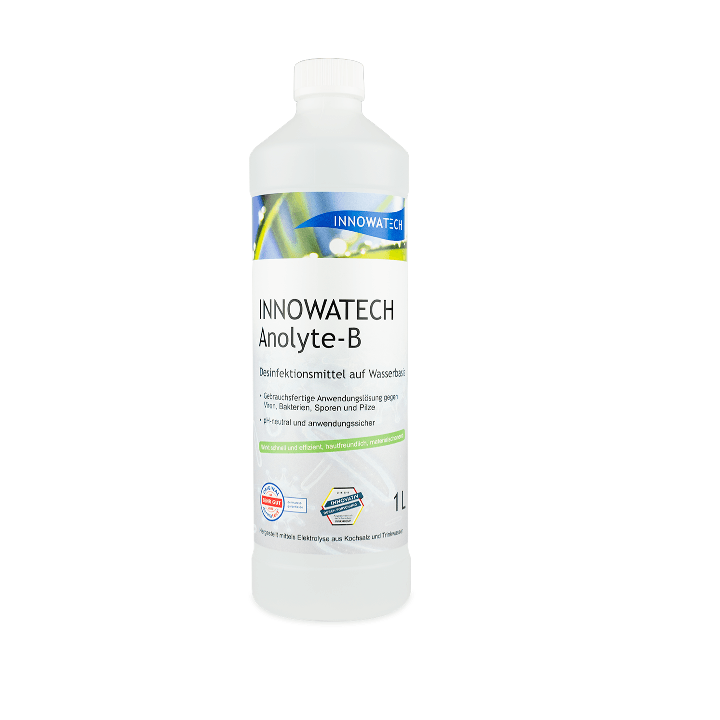
Clean with suitable, alcohol-free disinfectants. Observe the recommended contact time – then rinse thoroughly to ensure no residues remain.
3. Drying & inspection
Let all parts dry completely in the air. Residual moisture promotes germ formation. Before the next use, check: Is the mask clean and free of residues?
4. Regular maintenance schedule
- After each use: Rinse and rough cleaning
- Weekly: Complete disinfection
Why disinfection is so important – for effectiveness and trust
Thorough disinfection of a horse inhaler is much more than just a hygienic extra step – it is the basis for safe and effective inhalation therapy. In a moist system of mask, tubes, and nebulizer chambers, bacteria, fungi, or even biofilms can develop very quickly. If these germs enter the airways directly during inhalation, it can lead to infections, irritations, or worsening of existing respiratory diseases.
In addition, regular disinfection extends the device's lifespan. Tubes remain flexible, mask materials are preserved, and the sensitive ultrasound technology of the mobile inhaler works reliably. A hygienically clean mask is also much better accepted by the horse – and that is the foundation for successful therapy.

Practical tips for everyday life
To ensure cleaning and disinfection are not forgotten, it is advisable to establish a fixed routine. After each use, the inhaler should be rinsed and roughly cleaned immediately – this prevents residues from settling. A weekly appointment for thorough disinfection ensures that all parts remain germ-free.
It is helpful to keep a small cleaning kit directly at the stable: clean water, a mild disinfectant, and lint-free cloths. This makes care a matter of course and hardly takes any time in everyday life. If several horses use the inhaler, each animal should have its own mask to avoid cross-contamination. A quick check before the next use is also sensible: if the mask looks clean and neutral, it is ready for use; if there are residues, it should be cleaned or disinfected again.
Such a routine not only strengthens your horse's health but also builds trust in the treatment. A horse that willingly accepts the mask remains calm and relaxed during inhalation – and that is exactly what makes the therapy successful.